


By Olayinka Akanbi
The 2026 edition of the Osun-Osogbo Festival was a powerful reminder of why the annual celebration remains one of Nigeria’s most important cultural events.
For two weeks, the ancient city of Osogbo in Osun State welcomed traditional worshippers, tourists, royalty, artists, photographers, content creators and diaspora visitors, all gathered to celebrate a tradition that has endured for more than six centuries.
Also read: There Is No Stopping the Flow for Afrobeats in Q3 2026
Held under the theme “Preserving Heritage, Inspiring the Future”, the festival transformed the city into a vibrant meeting point of faith, culture, history and creativity.
At its heart, the festival celebrates Osun, the Yoruba river goddess associated with fertility, protection and prosperity.
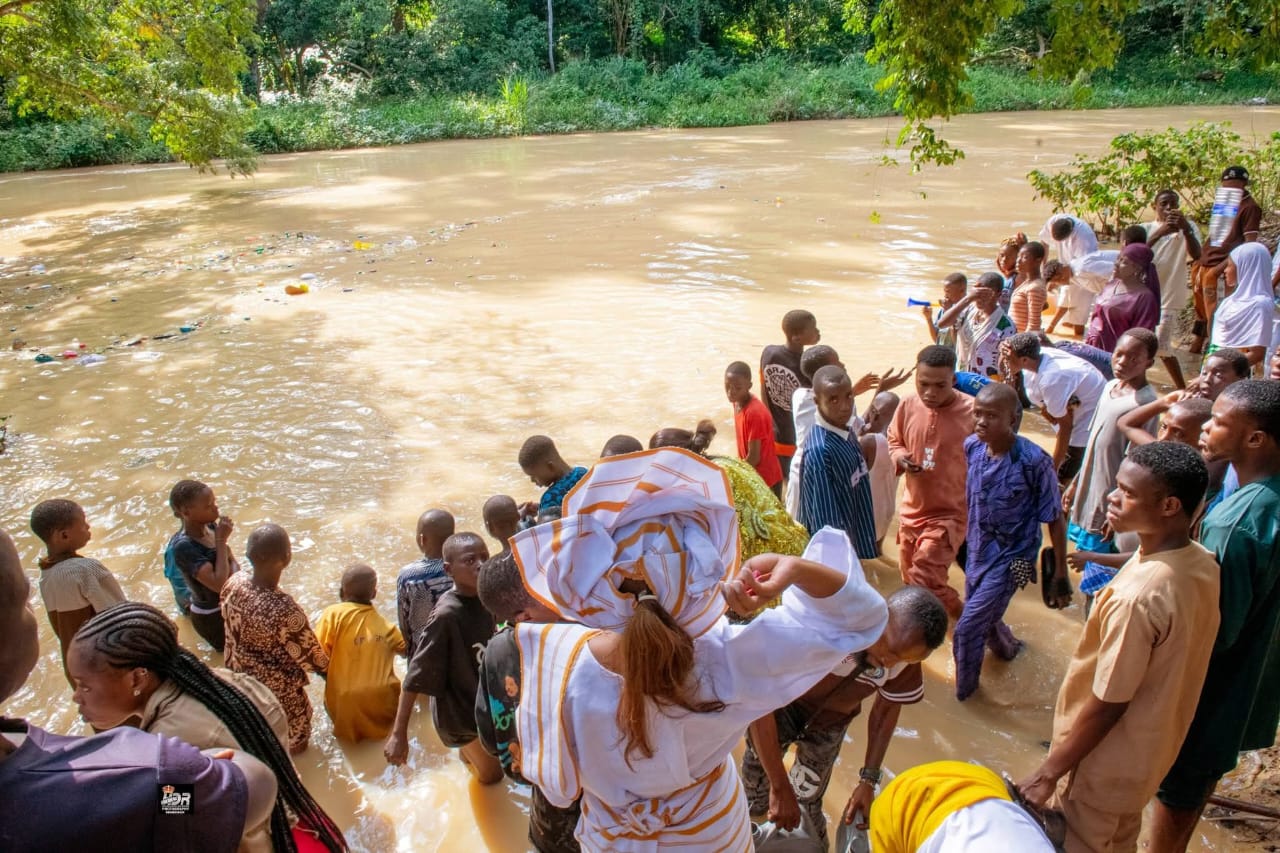
For generations, the people of Osogbo have maintained a deep spiritual connection with the Osun River, and each year the festival serves as a renewal of that relationship.
The event takes place around the Osun Sacred Grove, a UNESCO World Heritage Site and one of the most important symbols of Yoruba spirituality and culture.
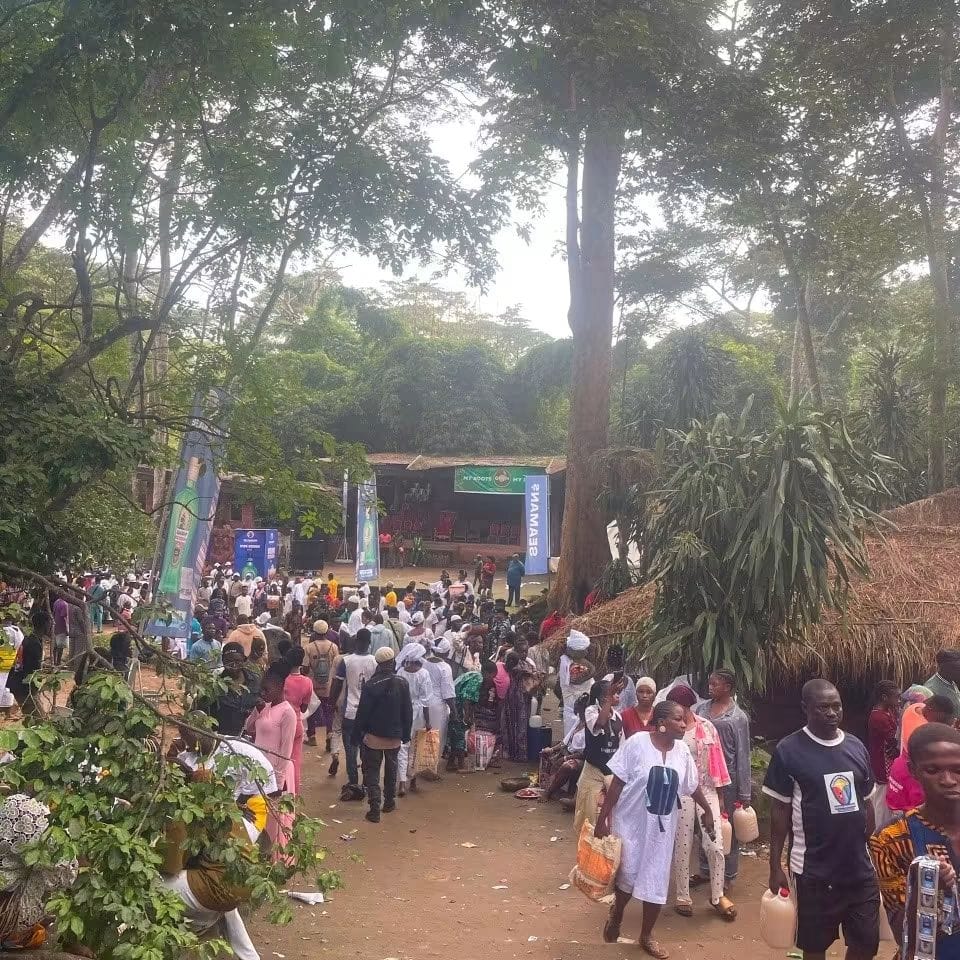
Filled with shrines, sculptures and sacred spaces, the grove continues to attract pilgrims and visitors from around the world.
As customary, the festival began with a series of traditional rites that prepared the town for the main celebration.
One of the earliest ceremonies was Iwopopo, the cleansing of the town, followed by the lighting of Ina Olojumerindinlogun, the historic sixteen-point lamp that has been part of the festival for centuries.
These rituals set the tone for days of prayer, cultural activities and community gatherings, culminating in the grand finale on August 7.
The highlight of the festival was the iconic procession from the palace of the Ataoja of Osogbo to the sacred grove.
The streets came alive with drumming, singing and dancing as thousands accompanied the procession.
Traditional chiefs, priestesses, cultural groups and worshippers moved through the city in a colourful display of Yoruba heritage.

For many visitors, it was a powerful reminder that culture is not confined to books or museums but is actively lived and celebrated.
At the centre of the procession was the Arugba, the sacred calabash bearer.
In 2026, the role was performed by 10-year-old Princess Alimot Moredeke Ajoke Osunbunmi, who carried the calabash containing the community’s offerings to the Osun shrine.
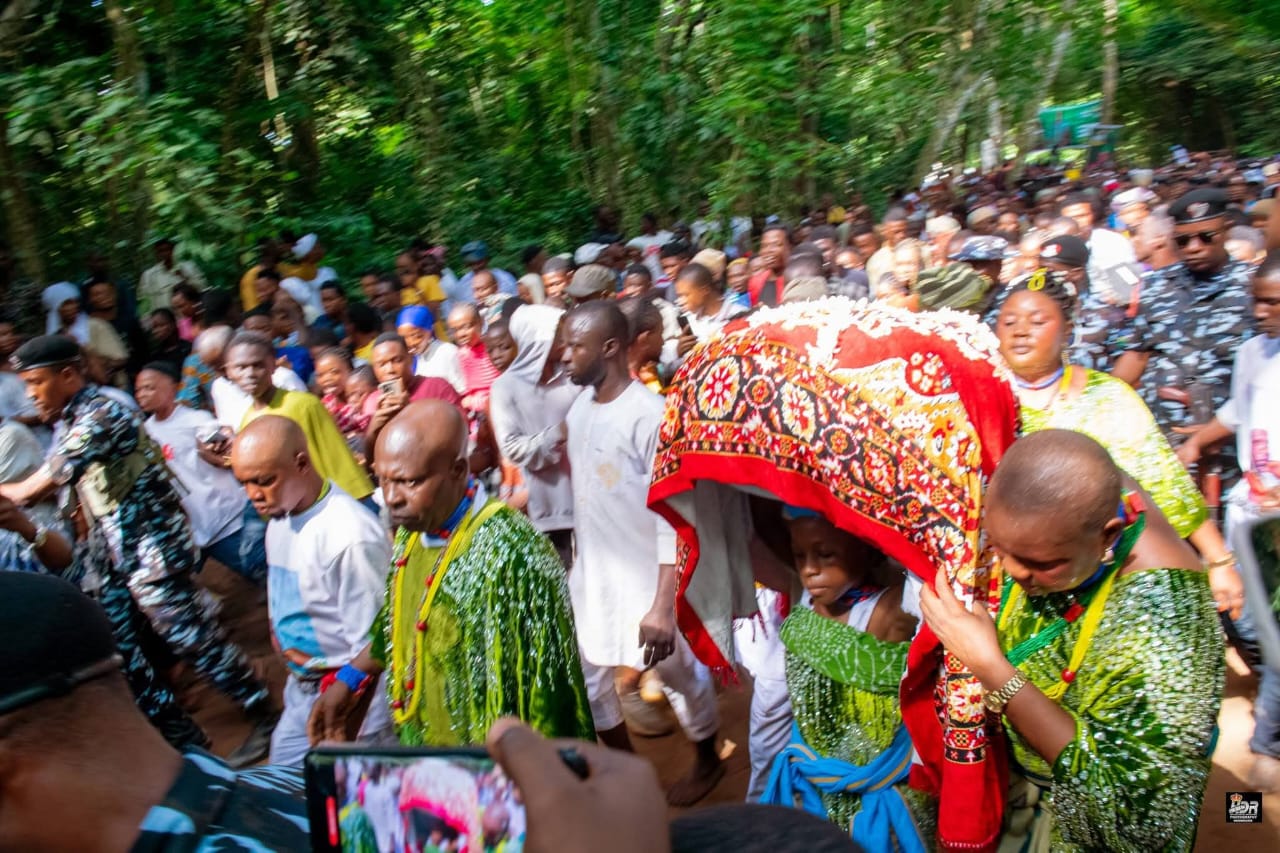
Her journey is one of the festival’s most significant moments, symbolising the renewal of the covenant between the people of Osogbo and the river goddess.
As she made her way through the crowd, thousands watched, prayed and celebrated a tradition that has remained intact for generations.
The festival’s spiritual significance was most evident at the riverbank, where worshippers gathered to offer prayers and collect water from the Osun River.
Many believe the water carries blessings of healing, fertility and prosperity, making this one of the most personal and emotional aspects of the celebration.
Beyond its religious significance, the festival also served as a major gathering for culture lovers and creatives.
Thousands of visitors arrived from across Nigeria and the diaspora, while photographers, filmmakers, influencers and content creators documented the event for global audiences.
Social media platforms were filled with images and videos, helping to introduce a new generation to one of Africa’s oldest cultural traditions.
Art and fashion were impossible to miss throughout the celebrations.
A photography exhibition featuring works by 23 Nigerian photographers was hosted at the palace of the Ataoja, offering fresh perspectives on Yoruba history and identity.
At the same time, the festival grounds became a showcase of traditional fashion, with attendees dressed in elegant white garments, aso-oke fabrics, beads and ceremonial attire.
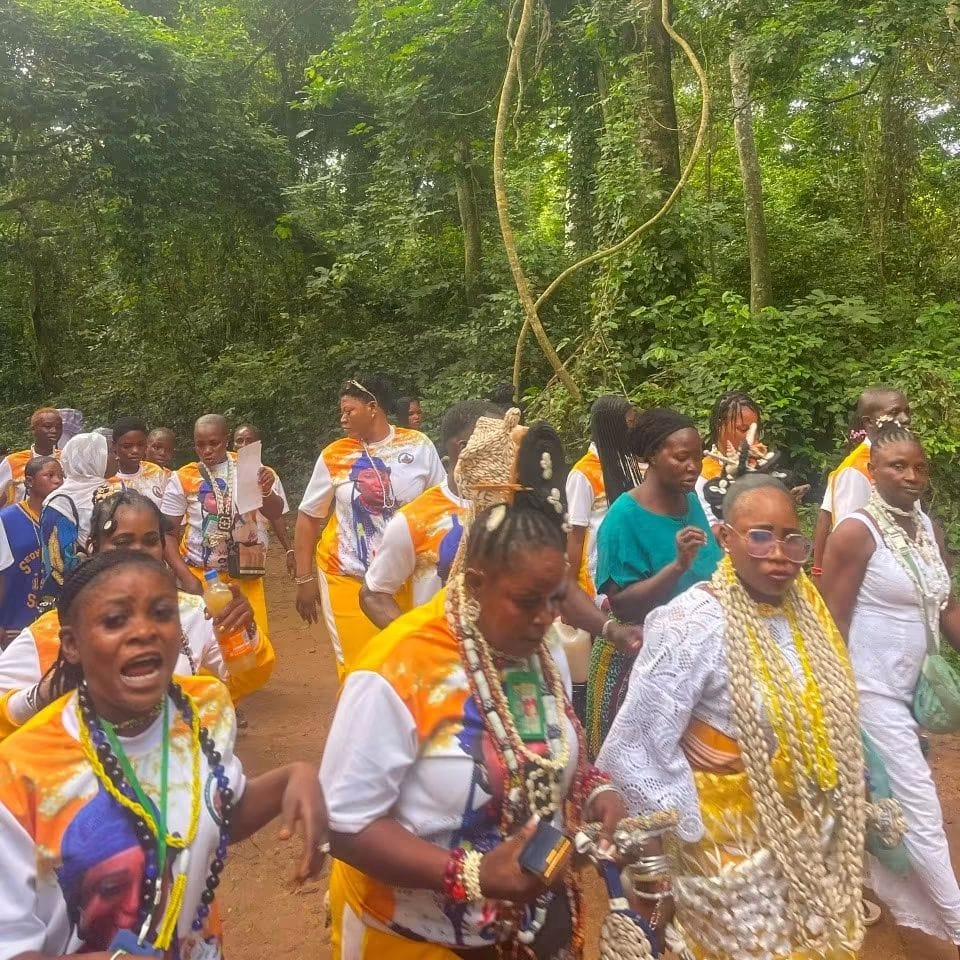
The blend of tradition and modern style created some of the most striking visuals of the festival and highlighted the growing role of young creatives in preserving and promoting cultural heritage.
The festival also attracted traditional rulers, government officials, cultural leaders and tourism stakeholders, reflecting its growing importance beyond Osun State.
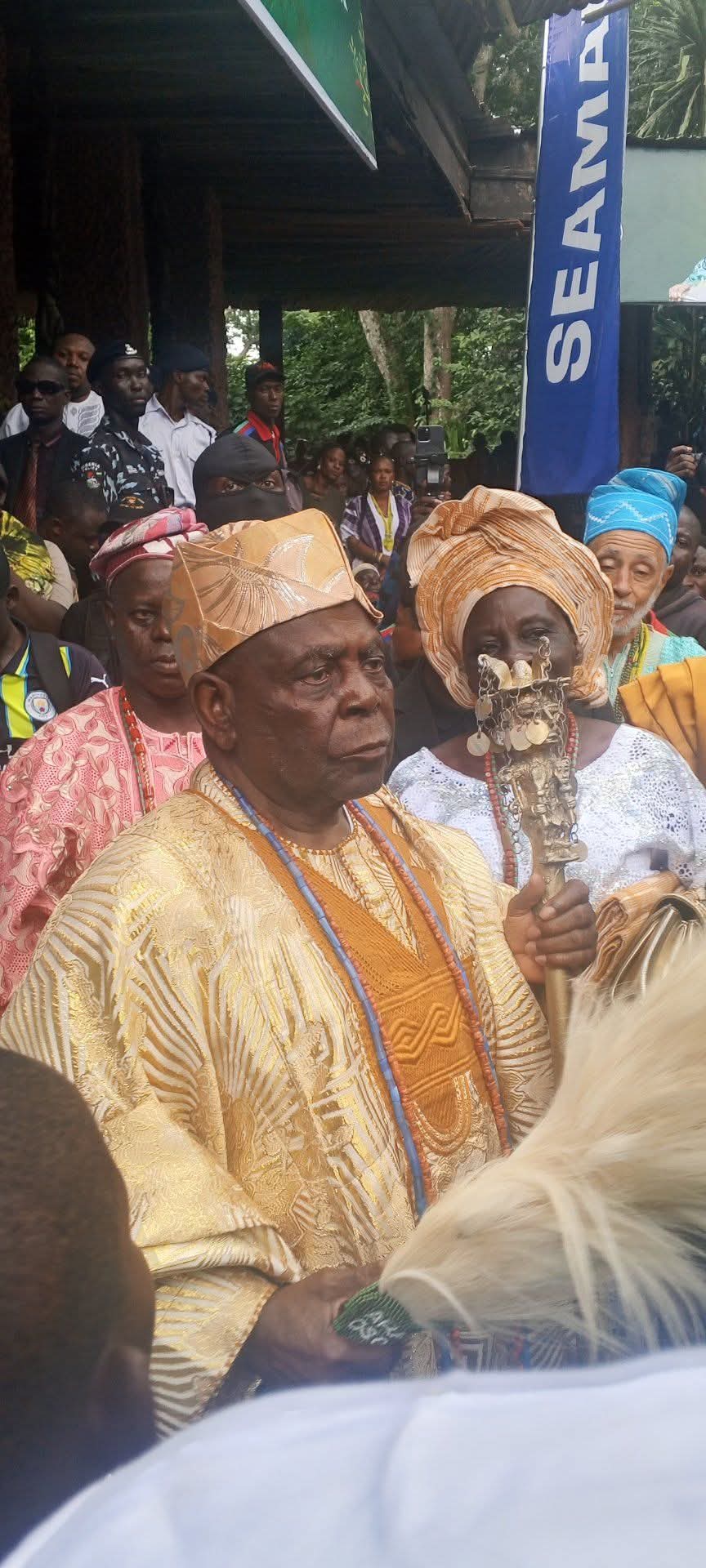
For many attendees, the event represented a spiritual experience, a celebration of Yoruba identity and a reminder of the importance of preserving cultural traditions in a rapidly changing world.
The 2026 edition of the centuries-old festival demonstrated a seamless fusion of tourism, art, fashion, digital culture and spirituality.
Also read: There Is No Stopping the Flow for Afrobeats in Q3 2026
By bringing together faith, culture and community, it once again reaffirmed its place as one of Nigeria’s most enduring and widely celebrated cultural treasures.


